


A Screw Pile Installation Is Only as Good as the Preparation: What Contractors Need to Know
Updated: Nov 3
Screw piles can offer an efficient and practical foundation solution, but a successful installation starts long before the first pile enters the ground.
From understanding ground conditions to choosing the right installation equipment, good preparation helps contractors avoid unnecessary delays, identify potential problems early and achieve an installation that meets the project’s design requirements.
At ABC Anchors, we manufacture UK-made screw piles and support contractors and engineers in selecting suitable solutions for their projects. Here are the key things to consider before starting your next screw pile installation.
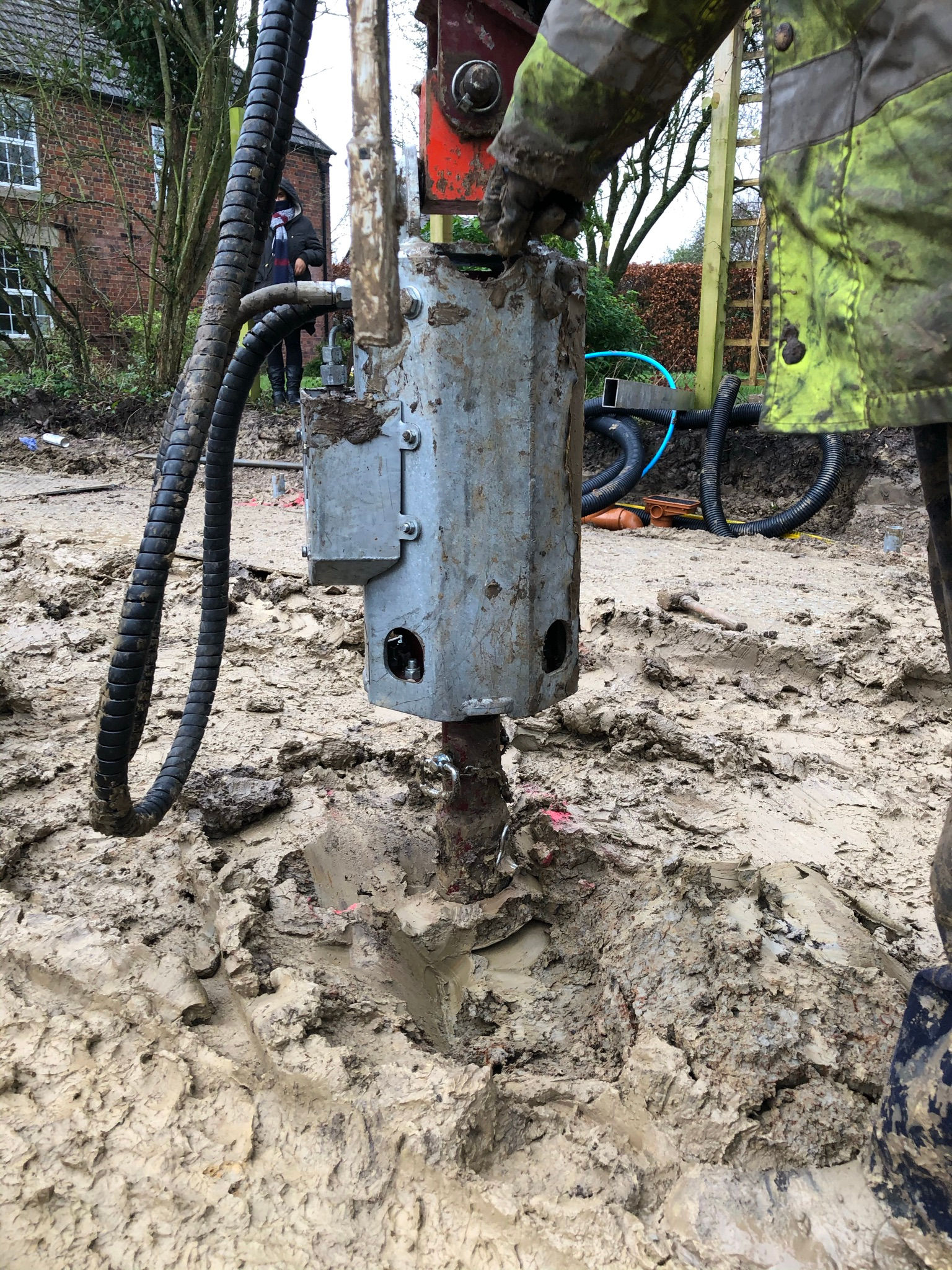


1. Understand the Ground Conditions Before You Start
No two sites are exactly the same. Ground conditions can vary significantly, even across relatively small areas, and these differences can affect how screw piles behave during installation.
Before work begins, review the available ground investigation information and consider what you might encounter, including:
Soft or loose soils.
Dense gravel and compacted ground.
Clay and other cohesive soils.
Made ground and variable soil layers.
Rock, buried obstructions or other difficult ground conditions.
Understanding the ground helps inform pile selection, installation planning and the equipment required.
Where ground conditions are uncertain, seek appropriate geotechnical advice before proceeding. Unexpected resistance during installation should not automatically be assumed to indicate that a pile has reached suitable bearing material.
Top tip: Review the available site investigation information before selecting a screw pile system. Identifying potential challenges early can help avoid costly surprises once work is underway.
2. Choose the Right Screw Pile for the Project
Selecting a screw pile involves more than choosing a product that fits the site or installation equipment.
The pile must be suitable for the design loads, anticipated ground conditions and the requirements of the structure it will support.
Important considerations include:
Required load capacity: The pile must meet the project's specified compression, tension and, where relevant, lateral load requirements.
Ground conditions: Soil properties, obstructions and the anticipated installation depth all influence pile selection.
Pile dimensions: Shaft diameter, wall thickness, helix configuration and overall length need to be appropriate for the design.
Installation requirements: The pile must be compatible with the available machinery and installation tooling.
Connection details: The pile termination must suit the structure and the engineer's design.
Choosing a pile based on diameter alone can overlook important differences in performance and suitability.
ABC Anchors manufactures a range of screw piles, including 60R, 76R, 76RL and 89R options. The appropriate specification will depend on the individual project rather than the pile size in isolation.
3. Check Your Installation Equipment
Having the right screw pile is only part of the equation. Your installation equipment also needs to be suitable for the pile and the site conditions.
Before arriving on site, check that the equipment can provide the required torque and is compatible with the pile specification and installation method.
It is worth considering:
The capabilities of the excavator or other installation machine.
The torque and operating requirements of the installation drive.
The compatibility of the drive, tooling and pile connection.
Access restrictions and available working space.
Whether installation torque can be monitored and recorded where required.
An excavator's weight or size alone does not determine whether it is suitable for installing a particular screw pile. Hydraulic flow, pressure, drive performance and the installation equipment's operating limits must also be considered.
Equally, having equipment capable of delivering high torque does not automatically mean the pile is suitable for the ground or design loads.
Top tip: Confirm equipment compatibility before the installation date. This helps reduce the risk of delays caused by unsuitable tooling or insufficient installation capability.
4. Understand Installation Torque and What It Tells You
Installation torque is an important part of many screw pile installation processes. It describes the rotational resistance encountered as the pile is advanced into the ground.
Depending on the system and the approved design method, torque measurements can help assess installation progress and provide information relevant to pile performance.
However, torque should not be treated as a universal measure of load capacity.
The relationship between installation torque and pile capacity depends on factors including pile geometry, soil conditions, the installation method and the design assumptions being used.
Contractors should understand the specified installation criteria before starting work, including:
Any required installation torque or torque range.
The required installation depth.
The specified termination criteria.
Any requirements for recording installation data.
The procedure to follow if the pile encounters unexpected resistance or fails to meet the specified criteria.
Installation records can provide valuable evidence that the work has been carried out in accordance with the project requirements.
Where torque monitoring is specified, use suitable equipment and follow the agreed procedure. If the required criteria cannot be achieved, stop and seek advice from the responsible engineer rather than changing the installation approach without approval.
5. Pay Particular Attention to Difficult Ground Conditions
One of the biggest challenges during screw pile installation is encountering ground conditions that differ from expectations.
Rock, dense strata, buried obstructions and changes in soil composition can all affect installation.
In these situations, the pile tip becomes particularly important. Its design influences how the pile interacts with the ground as it advances.
ABC Anchors manufactures screw piles with specialist rock tips designed for challenging ground conditions. The suitability of a particular pile and tip configuration will depend on the ground investigation, project requirements and installation method.
If a pile stops advancing unexpectedly, do not simply apply more torque in the hope of forcing it through. Excessive resistance can create a risk of damage to the pile or installation equipment and may indicate that the ground conditions need further investigation.
Instead, follow the project's agreed procedure, review the available installation information and consult the responsible engineer or technical specialist before continuing.
Good preparation does not eliminate every ground-related challenge, but it can help contractors recognise potential issues and respond appropriately.
6. Get the Pile Termination and Connection Details Right
The work does not finish when the pile reaches the required depth.
The termination at the top of the pile must be appropriate for the structure it supports, whether that involves a bracket, connection plate or another specified detail.
Before installation begins, make sure the relevant drawings and specifications clearly identify the required termination arrangement.
Check that the proposed pile length allows for the required installation depth and final connection level, taking account of the project design.
It is also important to consider access for connecting the supported structure and any tolerances specified by the engineer.
Resolving these details early can help prevent situations where piles have been installed but require additional work before the next stage of construction can proceed.
7. Make Sure Everyone Understands the Installation Plan
Clear communication between the contractor, engineer, site team and pile supplier can make a significant difference to the installation process.
Before work begins, everyone involved should understand the relevant design requirements, installation criteria and responsibilities.
A pre-installation check should cover:
The approved pile specification and installation drawings.
The required pile locations, lengths and termination details.
The available ground investigation information.
Equipment suitability and access arrangements.
Installation torque, depth and recording requirements, where specified.
The procedure for dealing with unexpected ground conditions or installation difficulties.
If the site conditions change or the installation does not proceed as anticipated, the team should know who to contact and how any proposed changes will be approved.
Taking time to establish this process can help prevent avoidable delays and reduce the risk of work proceeding on assumptions.
Screw Pile Installation Preparation Checklist
Before starting a screw pile installation, use this checklist to review the main requirements.
Ground investigation information has been reviewed.
The pile specification has been confirmed against the design requirements.
Pile dimensions, lengths and termination details have been checked.
Installation equipment and tooling are suitable and compatible.
Required torque, depth and termination criteria are understood.
Monitoring and installation records have been planned where required.
The process for managing unexpected ground conditions has been agreed.
The relevant drawings, approvals and site access arrangements are in place.
This checklist is a starting point rather than a substitute for project-specific design, risk assessments, method statements or installation procedures.
Why Preparation Matters for Screw Pile Installations
Good preparation helps contractors make informed decisions before work begins. It allows potential problems to be identified earlier, ensures the right equipment and pile specification are considered, and gives everyone involved a clearer understanding of the installation requirements.
It also helps establish a consistent approach to installation records, quality checks and communication between the site team and the engineer.
Screw piles can be an effective foundation solution, but successful installation depends on choosing a suitable system and following the project-specific design and installation requirements.
Need Advice on Screw Pile Selection?
At ABC Anchors, we manufacture screw piles in the UK and understand that every project brings its own ground conditions, design requirements and installation challenges.
Our range includes 60R, 76R, 76RL and 89R screw piles, with specialist rock-tip options for challenging ground conditions.
Whether you are planning a new installation or reviewing options for a difficult site, speaking to a knowledgeable supplier early in the process can help you establish which products are worth considering.
Frequently Asked Questions About Screw Pile Installation and Preparation
1. What should contractors check before installing screw piles?
Before installing screw piles, contractors should review the available ground investigation information, approved foundation design and project-specific installation requirements. The pile specification must be suitable for the anticipated ground conditions and structural loads, including compression, tension and lateral forces where applicable. Contractors should also confirm that their installation equipment can deliver the required torque and that the drive, tooling and pile connections are compatible. Important checks include pile locations, installation depths, termination details, site access restrictions and any requirements for recording installation torque. Agreeing how unexpected ground conditions or installation difficulties will be handled with the responsible engineer before work begins can help prevent delays, equipment damage and unauthorised changes to the foundation design.
2. Why are ground conditions important when installing screw piles?
Ground conditions are important during screw pile installation because soil properties influence pile selection, installation resistance and the foundation's ability to support the required structural loads. Different ground types, including clay, loose soil, dense gravel and made ground, can affect how a screw pile advances and performs once installed. Rock, buried obstructions and changes in soil layers may also prevent a pile from reaching its specified installation depth or create unexpected resistance. Reviewing ground investigation reports before installation helps engineers and contractors select suitable pile dimensions, helix configurations and installation methods for the site. If actual ground conditions differ from the design assumptions, contractors should consult the responsible engineer rather than assuming that increased installation torque or resistance confirms adequate load-bearing capacity.
3. Does installation torque determine screw pile load capacity?
Installation torque can provide useful information about screw pile performance, but it does not independently determine the pile's load-bearing capacity. Torque measures the rotational resistance encountered as the screw pile advances through the ground and may be used to estimate capacity where a suitable, validated design method applies. The relationship between torque and load capacity depends on factors such as soil properties, pile geometry, installation depth and the assumptions used in the foundation design. Contractors must therefore follow the engineer's specified installation criteria, which may include minimum or maximum torque values, required depths and agreed termination conditions. Recording installation torque can support quality control and verification, but it should not replace project-specific engineering calculations, required testing or approval from the responsible engineer.
4. Can screw piles be installed in rocky ground?
Screw piles can be installed in certain rocky or challenging ground conditions, but their suitability depends on the type of rock, ground resistance, pile design and available installation equipment. Dense gravel, weathered rock and buried obstructions can create different installation challenges, so a ground investigation is important before selecting a suitable screw pile system. Specialist pile tip configurations, including the rock-tip options manufactured by ABC Anchors, may be appropriate for some difficult ground conditions where standard screw piles are unsuitable. However, encountering significant resistance does not automatically mean the pile has reached the required bearing capacity, and applying excessive torque can damage the pile or installation equipment. Contractors should review the ground investigation findings, confirm the proposed installation method with the responsible engineer and follow the agreed procedure if a pile cannot reach its specified depth.
5. When should contractors contact a screw pile supplier?
Contractors should contact a screw pile supplier during the early planning and specification stages, ideally before finalising equipment arrangements or scheduling installation work. Early discussions allow the supplier to review the proposed application, anticipated ground conditions and the screw pile specifications established by the responsible engineer. The supplier can also help identify suitable pile options, confirm compatibility with available installation equipment and discuss tooling, torque requirements and connection arrangements. For projects involving difficult ground, restricted access or unusual foundation requirements, technical advice before installation can help identify practical challenges that might otherwise cause delays on site. ABC Anchors manufactures UK-made screw piles, including 60R, 76R, 76RL and 89R options, and can discuss product suitability and installation considerations while the responsible engineer retains authority over the foundation design.


Comments